


Melbourne's property market encompasses an extraordinary range of housing — from Victorian terraces and Edwardian weatherboards in the inner suburbs, to post-war brick veneer in the middle ring, to contemporary apartments and townhouses, to volume-built homes in the outer growth corridors. Each building era carries its own characteristic defects and risks.
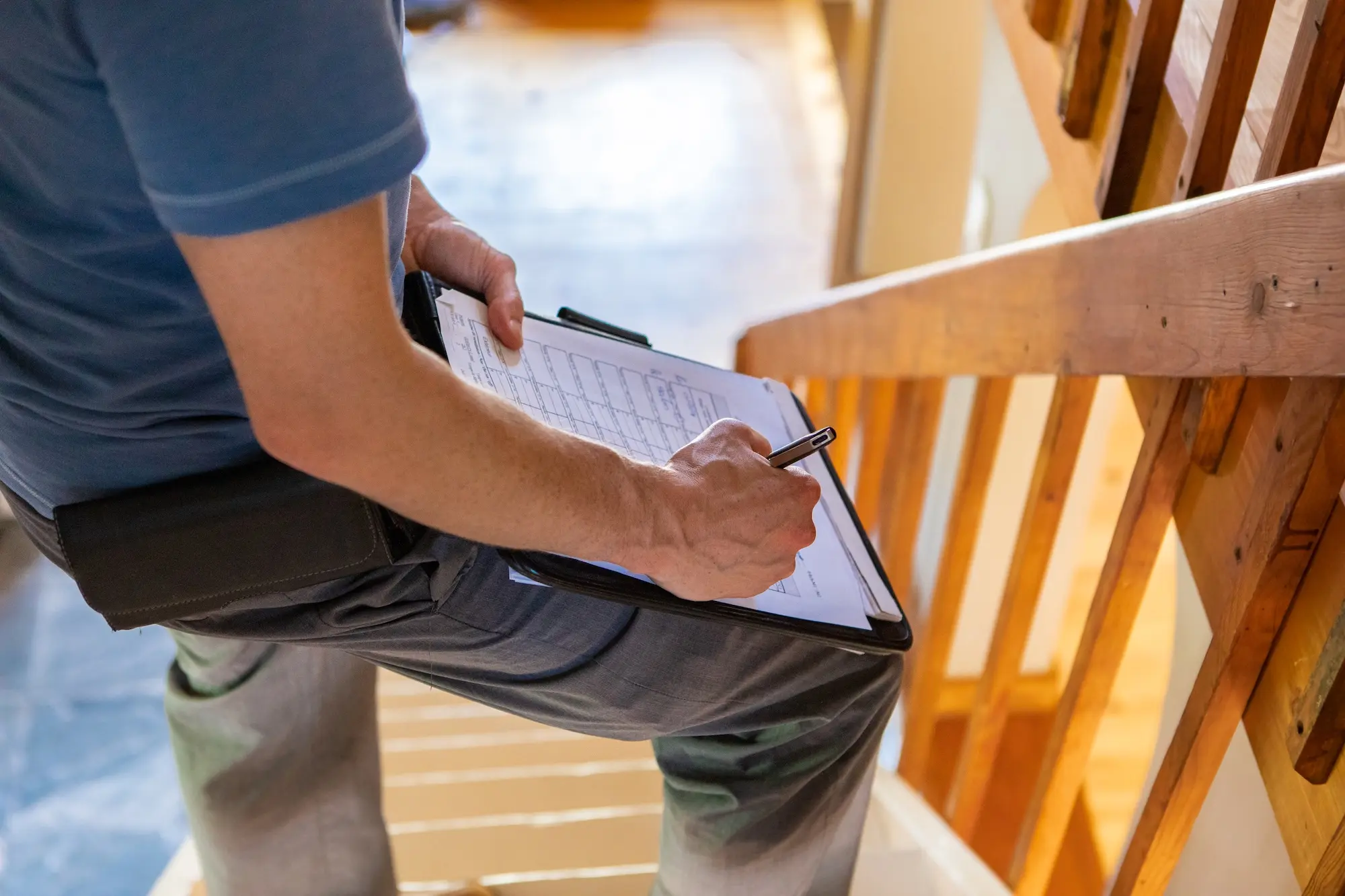
At Inspectra Property Services, our combined pre-purchase building and pest inspection in Melbourne sends two specialist inspectors to the property together — one assessing the building's structural condition under AS 4349.1, the other carrying out the timber pest inspection under AS 4349.3. One appointment, two expert reports, delivered within 24 hours.
The Melbourne Property Risk Profile
- Building condition
- Pest & termite risk
- Insurance gap
Victorian and Edwardian homes may contain asbestos-containing materials, original lead plumbing, deteriorating roof coverings, and rising damp through solid masonry walls. Post-war brick veneer properties frequently show cracking from clay soil movement. Contemporary builds and apartments can carry waterproofing failures, concrete cancer in balconies, and construction defects from speed-build development.
Termite activity is present across Melbourne and its suburbs. Inner and middle-ring properties with established gardens, original timber framing, and mature street trees face genuine pest risk. Insurance does not cover termite damage, making a pre-purchase pest inspection a non-negotiable step for Melbourne property buyers.
Standard building insurance does not cover termite damage. A pre-purchase pest inspection is the only effective financial protection against this risk.
What's Covered in Your Melbourne Inspection
Building Inspection — AS 4349.1
- Roof exterior
- Roof framing
- Interior
- Wet areas
- Subfloor & structure
- Exterior & outdoor areas
Covering, gutters, downpipes, flashings, and drainage
Structural timbers, insulation, safety hazards, and signs of leaks
All rooms — walls, ceilings, floors, windows and doors for defects, moisture, and movement
Bathrooms, kitchens, laundries — waterproofing, drainage, and plumbing fixtures
Footings, stumps, floor framing, and moisture levels beneath the home
Cladding, retaining walls, driveways, decks, fencing, sheds, and pergolas
Pest & Termite Inspection — AS 4349.3
- Roof void timbers
- Internal timbers
- Subfloor timbers
- External timbers & environment
Trusses, rafters, and structural roof framing
Skirting boards, architraves, floor edging, and door framing
Joists, bearers, and floorboards (where accessible)
Decking, cladding, fencing, garden features, and surrounding vegetation assessed using thermal imaging and moisture meters
The Inspection Process
Melbourne property transactions move at pace. We offer prompt booking turnaround, same-day verbal debrief, and 24-hour written report delivery. For apartment purchases, we also assess common property areas that affect the lot where access is permitted.
Other Melbourne Inspection Pages
- Building Inspection Melbourne
- Pest & Termite Inspection Melbourne
- Property Inspection Melbourne
Standalone structural building inspection under AS 4349.1.
Specialist timber pest inspection using thermal imaging and moisture meters.
Comprehensive pre-purchase property assessment covering all aspects of condition.
frequently asked questions
Yes. We service Melbourne and surrounding suburbs including the inner city, middle ring, and outer growth corridors in the north-west and west.
Yes. Apartments can have waterproofing issues, concrete defects in balconies, water damage from neighbouring lots, and building defects in common areas. A professional inspection is important regardless of property type.
Yes. Termites are active across Melbourne — particularly in inner and middle-ring suburbs with older homes and established gardens. Coptotermes acinaciformis is present in many Melbourne suburbs and is capable of rapid, hidden structural damage.
We aim to book within 1–3 business days and deliver your written report within 24 hours of the inspection. Verbal debriefs happen on the day.