


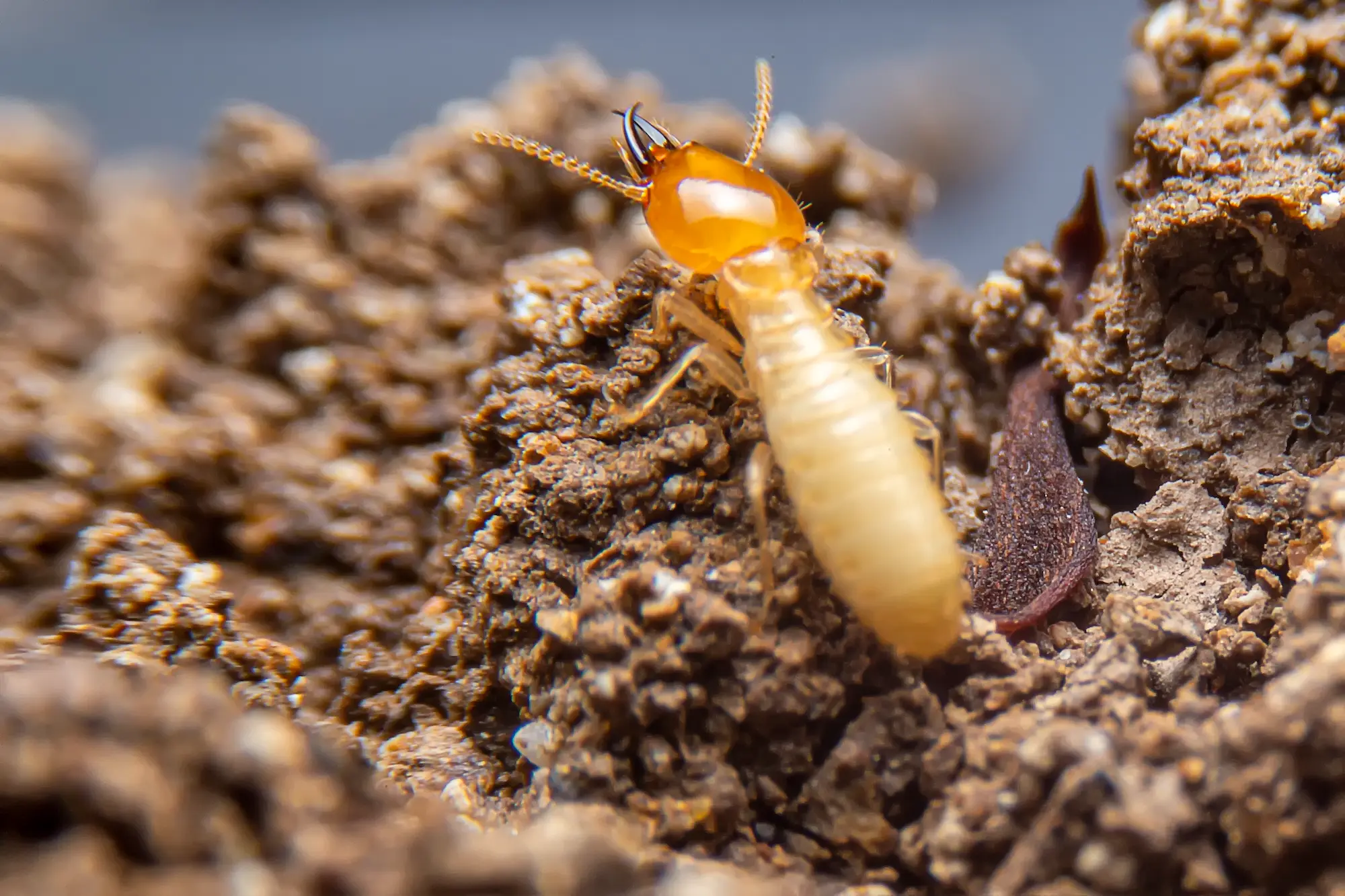
Termites and timber pests can cause insidious destruction—often unnoticed until considerable damage has occurred. Our specialist Termite Inspection follows Australian Standard AS 4349.3 to detect active infestations, early-stage damage, and conditions that attract pests.
Scope of Inspection
- Roof Voids
- Subfloor & structural frames
- Internal timbers
- External Timbers
- Moisture & leaks
- Surrounding environment
Structural timbers, roof trusses, eaves
Joists, bearers, floorboards
Skirting boards, architraves, trims, floor edging
Decking, cladding, fencing, garden sleeper walls
Plumbing, drainage, signs of damp that attract pests
Tree stumps, mulch, garden beds adjacent to the structure
Inspection Methodology
- Moisture meters and thermal imaging for hidden pests
- Probing suspect timber with dongers
- Evaluation of risk factors linked to moisture and other conducive conditions
Report Includes
- 1. Summary of any termite presence or previous damage
- 2. Risk assessment and mitigation advice
- 3. Strategic suggestions: barriers, removal of risk conditions
- 4. Delivered with photos within 24 hours
Why a Timber Pest Inspection is Critical
- 1. Insurance does not covers termite damage—early detection reduces long-term repair costs
- 2. Protect structural integrity and you property value
Why It Matters
- 1. Avoid costly hidden defects
- 2. Leverage findings during price negotiations
- 3. Meet property disclosure obligations
Process & Transparency
- 1. Duration: typically 1.5–3 hours, depending on property size
- 2. We welcome you to attend the inspection, ask questions, and learn on-site
- 3. Report turnaround: same-day or within 24 hrs
frequently asked questions
Clear answers to your questions
A property inspection is a detailed visual assessment of a property's condition, carried out by a qualified inspector. It identifies any major structural issues, safety concerns, maintenance needs, or defects.
Yes. A property inspection helps uncover problems you might not see during a viewing. It can save you from unexpected repair costs and give you peace of mind before committing to the purchase.
A standard inspection typically covers:
- Structural elements (roof, walls, floors, foundations)
- Plumbing and electrical systems
- Windows and doors
- Moisture issues and water damage
- Roof condition
- Safety hazards
- External structures like garages or decks
Ideally, book your inspection as soon as possible to secure your preferred time. If you’re making an offer on a property, try to arrange the inspection beforehand. Otherwise, make your offer subject to a satisfactory inspection result.