


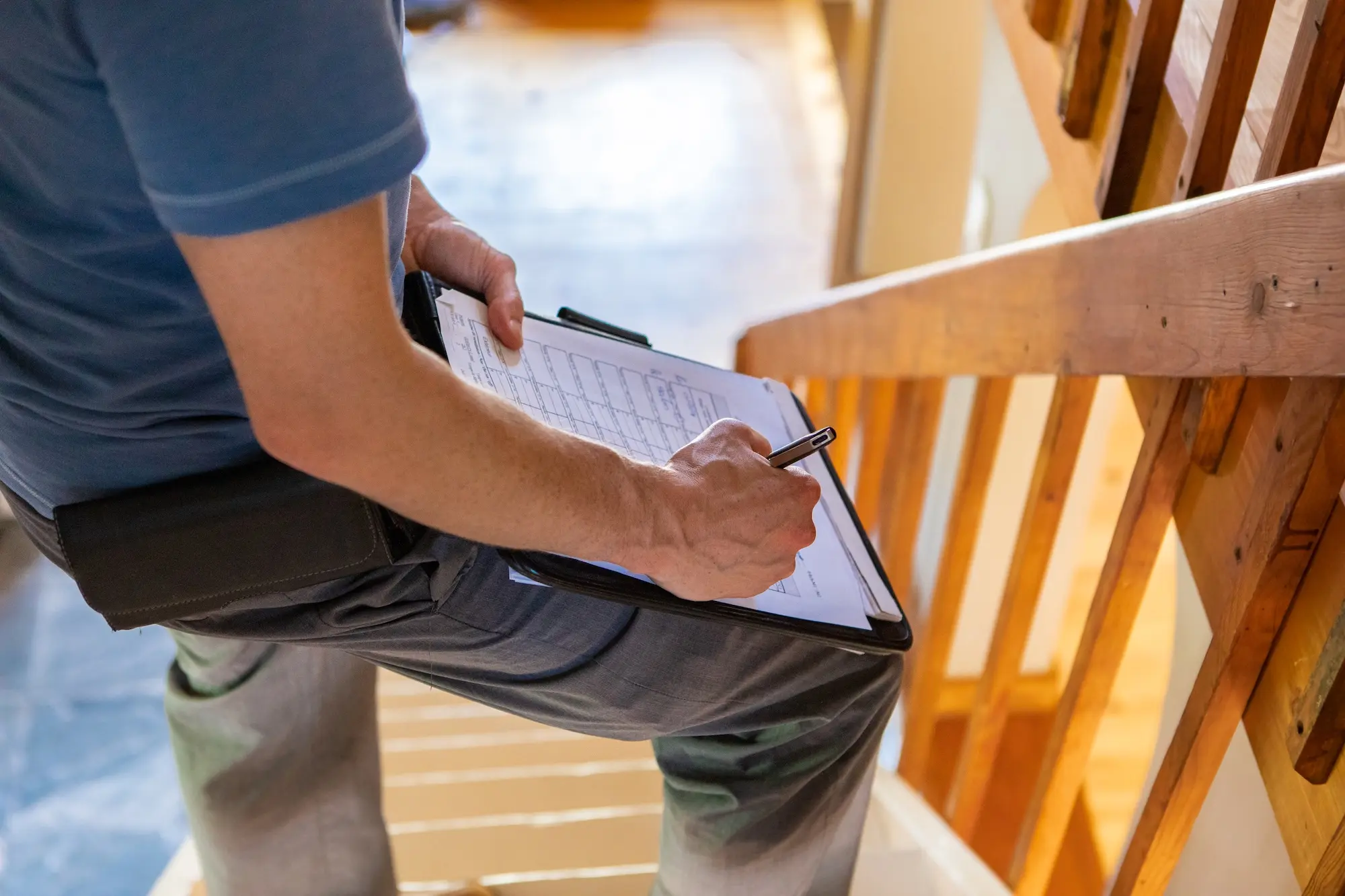
Craigieburn has undergone significant transformation from semi-rural suburb to one of Melbourne's major northern growth corridors. It now contains a mix of early 2000s established housing alongside multiple active estate developments. This creates a two-speed market — older homes with deferred maintenance and newer builds with construction defects — both requiring professional inspection.
At Inspectra Property Services, our combined pre-purchase building and pest inspection in Craigieburn sends two specialist inspectors to the property together — one assessing the building's structural condition under AS 4349.1, the other carrying out the timber pest inspection under AS 4349.3. One appointment, two expert reports, delivered within 24 hours.
The Craigieburn Property Risk Profile
- Building condition
- Pest & termite risk
- Insurance gap
Early 2000s Craigieburn homes are entering a common problem window — roofing is approaching end-of-life, brick veneer is showing soil movement cracking, and original waterproofing in bathrooms and laundries is failing. Newer estates present typical high-volume build defect patterns. Properties on large northern blocks may also have boundary fencing, retaining walls, and outbuildings that need assessment.
Craigieburn's northern location places it within a well-documented termite zone. Properties near Craigieburn's grassland reserves, established garden areas, and remnant vegetation face meaningful subterranean termite risk. Older homes in the suburb with timber framing and established garden trees are particularly exposed.
Standard building insurance does not cover termite damage. A pre-purchase pest inspection is the only effective financial protection against this risk.
What's Covered in Your Craigieburn Inspection
Building Inspection — AS 4349.1
- Roof exterior
- Roof framing
- Interior
- Wet areas
- Subfloor & structure
- Exterior & outdoor areas
Covering, gutters, downpipes, flashings, and drainage
Structural timbers, insulation, safety hazards, and signs of leaks
All rooms — walls, ceilings, floors, windows and doors for defects, moisture, and movement
Bathrooms, kitchens, laundries — waterproofing, drainage, and plumbing fixtures
Footings, stumps, floor framing, and moisture levels beneath the home
Cladding, retaining walls, driveways, decks, fencing, sheds, and pergolas
Pest & Termite Inspection — AS 4349.3
- Roof void timbers
- Internal timbers
- Subfloor timbers
- External timbers & environment
Trusses, rafters, and structural roof framing
Skirting boards, architraves, floor edging, and door framing
Joists, bearers, and floorboards (where accessible)
Decking, cladding, fencing, garden features, and surrounding vegetation assessed using thermal imaging and moisture meters
The Inspection Process
Craigieburn inspections cover a wide range of property types and ages. We adapt our methodology to each property — older homes with subfloor access receive a thorough subfloor inspection, while slab-on-ground builds rely more heavily on thermal imaging and moisture detection.
Other Craigieburn Inspection Pages
- Building Inspection Craigieburn
- Pest & Termite Inspection Craigieburn
- Property Inspection Craigieburn
Standalone structural building inspection under AS 4349.1.
Specialist timber pest inspection using thermal imaging and moisture meters.
Comprehensive pre-purchase property assessment covering all aspects of condition.
frequently asked questions
Yes. We cover Craigieburn and the surrounding northern suburbs including Roxburgh Park, Mickleham, Kalkallo, Donnybrook, Merrifield, and Beveridge.
Early 2000s homes often show roof wear, waterproofing failures, and soil movement cracking. Newer estates present typical high-volume build defects. Both property types can carry termite risk from surrounding grassland and reserve corridors.
Yes. Craigieburn's grassland reserves, established gardens, and northern soil conditions support active termite populations. Properties adjacent to reserves or with established trees are at highest risk.
Typically 1.5 to 2.5 hours for a standard property. Older homes with subfloor access or larger blocks with outbuildings may take longer.