


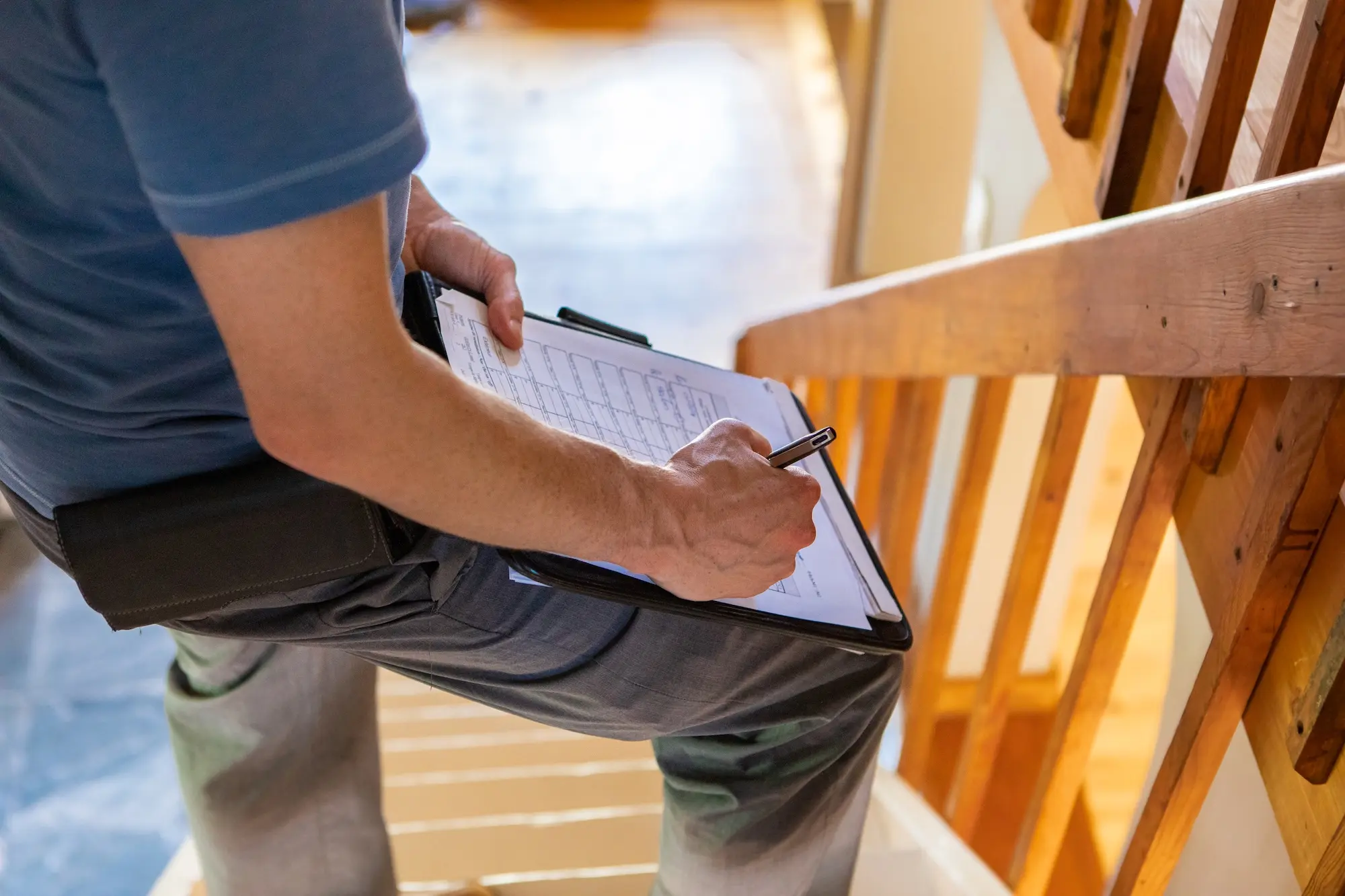
Inspectra's combined building and pest inspections in Woodend are led by a Domestic Builder Unlimited (DB-U) practitioner — Victoria's top-tier VBA builder registration, with no limits on the type, scale, or value of work it covers. Few inspection companies can say the same; many operate with a basic DB-L licence, or no VBA builder registration whatsoever.
Woodend is one of the Macedon Ranges's most sought-after areas, attracting buyers drawn to its period cottages, historic timber homes, contemporary builds, and rural residential properties. Whether you're buying an established home or a newer build, a professional combined building and pest inspection in Woodend is the most effective way to understand exactly what you're purchasing before you're legally committed.
At Inspectra Property Inspections, our combined inspection in Woodend addresses both the structural condition of the property under AS 4349.1 and the timber pest risk under AS 4349.3 — delivered from a single inspection appointment with both reports in your inbox within 24 hours.
The Woodend Property Risk Profile
- Building condition
- Pest & termite risk
- Insurance gap
Woodend's charming character homes — many dating from the late 19th and early 20th centuries — carry inherited building risks including ageing slate or terracotta roofing, original subfloor stumps, timber framing exposed to decades of weather, and older plumbing and electrical services. Contemporary builds on the fringes require a different eye for compliance and new-build defects.
Woodend's Macedon Ranges setting, dense tree coverage, and significant proportion of older timber-framed homes create one of the higher termite risk environments in regional Victoria. Subterranean termite activity is well documented in the area, and many period homes have never been formally inspected.
Standard building insurance does not cover termite damage. A pre-purchase pest inspection is the only effective financial protection against this risk before settlement.
What's Covered in Your Woodend Inspection
Building Inspection — AS 4349.1
- Roof exterior
- Roof framing
- Interior
- Wet areas
- Subfloor & structure
- Exterior & outdoor areas
Covering, gutters, downpipes, flashings, and site drainage
Structural timbers, insulation, ventilation, and evidence of leaks
All rooms — walls, ceilings, floors, windows, and doors assessed for defects, moisture, and structural movement
Bathrooms, kitchens, and laundries — waterproofing integrity, drainage, and plumbing fixture condition
Footings, stumps, floor framing, and moisture levels beneath the home where accessible
Cladding, retaining walls, driveways, decks, fencing, sheds, and pergolas
Pest & Termite Inspection — AS 4349.3
- Roof void timbers
- Internal timbers
- Subfloor timbers
- External timbers & environment
Trusses, rafters, and structural roof framing
Skirting boards, architraves, floor edging, and door framing
Joists, bearers, and floorboards where accessible
Decking, cladding, fencing, garden features, and surrounding vegetation — assessed using thermal imaging and moisture meters
One Appointment. Two Reports.
Our combined inspection is the most efficient way to get complete pre-purchase coverage. One booking, one visit, two detailed reports — with a verbal summary immediately after the inspection and written reports delivered within 24 hours.
Also Serving Nearby Areas
In addition to Woodend, we provide building and pest inspections across Macedon, Kyneton, Riddells Creek, Romsey and the wider Macedon Ranges region. View all service areas.
Frequently Asked Questions
Yes. We service Woodend, Macedon, Kyneton, Riddells Creek, and the wider Macedon Ranges. We understand the period building stock and elevated termite risk in the Woodend area.
Woodend's concentration of older timber-framed homes, established mature gardens, and proximity to bushland makes both structural deterioration and termite risk higher than average. A combined inspection covers both risks in a single appointment.
Typically 2 to 3 hours for a standard home. Period properties with subfloor access, multiple rooms, and older outbuildings may require additional time. We always allocate what the property needs.
Our pricing is based on property type and size, not age. Get in touch for a fast, no-obligation quote for your Woodend property.